Understanding Standing Seam Metal Roofing
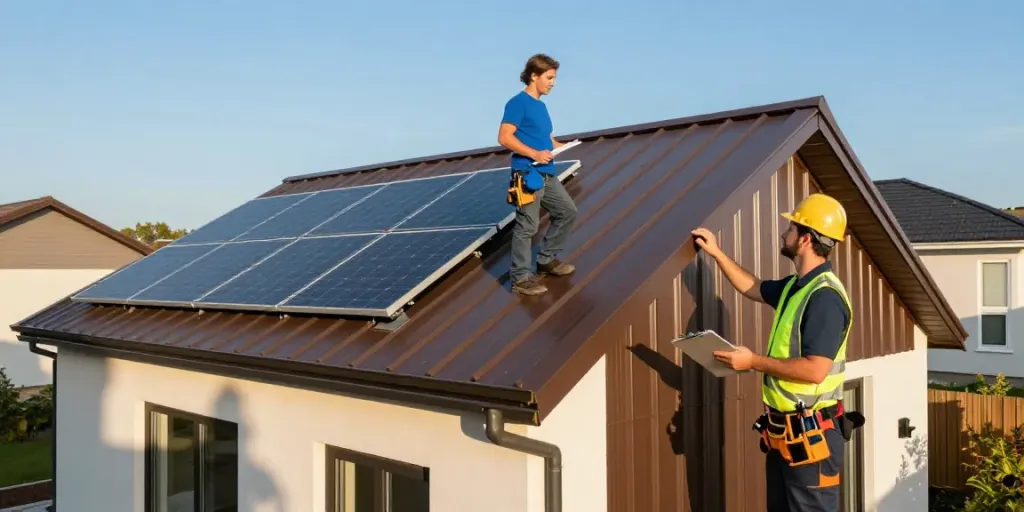
Standing seam metal roofing has rapidly gained recognition for its modern design and remarkable functionality in both residential and commercial settings. This roofing solution is characterized by vertical panels that interlock, creating a seamless and aesthetically pleasing roof structure. Homeowners seeking durability and style are increasingly choosing standing seam roofs for their projects. The advanced hidden fastening system used in these roofs not only enhances their sleek appearance but also minimizes the risk of leaks, ensuring long-term performance. When exploring options, Standing Seam Contractors provide comprehensive insights into the benefits and requirements for effective installation.
What Makes Standing Seam Roofs Unique?
Standing seam metal roofs are distinctively designed with raised seams that allow for expansion and contraction, making them particularly effective in various climates. Unlike traditional roofing systems that may use exposed fasteners, standing seam roofs conceal their fastening elements. This not only provides a cleaner look but also enhances durability by reducing the likelihood of rust, corrosion, and leaks. The vertical panels are typically made from high-quality metals such as galvanized steel, aluminum, or copper, which are engineered to resist extreme weather conditions.
Benefits for Homeowners and Commercial Spaces
There are numerous advantages to choosing standing seam metal roofing. Here are some key benefits:
- Superior Durability: Standing seam roofs are built to last, often with warranties ranging from 30 to 50 years. Their resistance to harsh weather conditions, including heavy snow and high winds, makes them ideal for both residential and commercial applications.
- Energy Efficiency: The ability of standing seam roofs to reflect solar radiant heat can significantly reduce energy costs. This is particularly beneficial during the summer months when cooling demands rise.
- Aesthetic Versatility: Available in a variety of colors and finishes, these roofs can complement any architectural style. Whether it's a modern building or a traditional home, standing seam roofing can enhance curb appeal.
- Low Maintenance: Once installed, standing seam roofs require very little maintenance, making them a cost-effective solution over time.
Common Misconceptions About Standing Seam Roofing
Despite their growing popularity, there are several misconceptions about standing seam metal roofs. One common myth is that they are excessively expensive. While the initial investment may be higher than traditional roofing options, the long-term benefits, such as longevity, energy efficiency, and minimal maintenance, often lead to lower overall costs. Additionally, there’s a belief that standing seam roofs are noisy during rain or hail storms; however, proper insulation and sheathing can mitigate these sounds effectively.
The Importance of Professional Installation
Hiring professional standing seam contractors is critical for ensuring the longevity and effectiveness of your metal roofing system. Experienced contractors understand the nuances of installation that can affect the roof's performance over time.
Why Hire Experienced Standing Seam Contractors?
Professional installers have the knowledge and expertise to handle the specific requirements of standing seam roofing systems. They ensure that the materials are properly aligned and that the installation adheres to local building codes and manufacturer specifications. This minimizes the risk of installation errors that could lead to costly repairs in the future.
Installation Process Overview: What to Expect
The installation of standing seam metal roofs typically involves several key steps:
- Initial Assessment: A thorough site inspection to determine the existing roof's condition and to plan the installation process.
- Material Selection: Choosing the right type of metal and finish based on aesthetic preferences and performance requirements.
- Preparation: The existing roof may be removed, or the new roof may be installed directly over it, depending on the structure.
- Installation: The panels are cut to size and installed with the appropriate fastening systems that allow for expansion and contraction.
- Final Inspection: A comprehensive review of the completed project to ensure everything meets quality standards.
Key Factors Influencing Installation Costs
Several factors can impact the cost of installing a standing seam roof:
- Roof Size: Larger roofs will require more materials and labor, increasing the overall cost.
- Material Type: The gauge and type of metal selected can affect pricing, with thicker materials generally costing more.
- Complexity of Design: Roofs with multiple angles and shapes may require more labor and expertise.
- Geographic Location: Installation costs can vary significantly based on regional labor rates and the availability of materials.
Durability and Maintenance of Standing Seam Roofs
Understanding the durability and maintenance requirements of standing seam metal roofs can help homeowners make informed decisions about their roofing options.
How Long Can You Expect a Standing Seam Roof to Last?
With proper installation and maintenance, standing seam roofs can last 50 years or more. Factors such as material choice and environmental conditions play a role in their longevity. Homeowners can enjoy peace of mind knowing that this roofing solution is built to withstand severe weather conditions.
Maintenance Tips for Longevity
To ensure the longevity of a standing seam roof, homeowners should consider the following maintenance tips:
- Regular Inspections: Conduct inspections at least twice a year, as well as after severe weather events, to identify any potential issues early.
- Clean Gutters and Drains: Keeping gutters clear of debris will prevent water accumulation and reduce the risk of leaks.
- Address Damage Promptly: Any dents, rust, or loose panels should be repaired immediately to prevent further damage.
Weather Resistance and Performance in Extreme Conditions
Standing seam metal roofs excel in extreme weather conditions, including heavy snowfall, rain, and strong winds. Their design promotes superior water drainage and snow-shedding capabilities, which are particularly beneficial in regions that experience harsh winters. The interlocking panels minimize exposure to the elements, reducing risks of leaks and increasing the roof's overall lifespan.
Energy Efficiency and Cost-Effectiveness
In today's eco-conscious climate, energy efficiency is a top priority for homeowners and businesses alike. Standing seam roofs offer compelling advantages in this arena.
How Standing Seam Roofs Contribute to Energy Savings
Standing seam metal roofs are designed to reflect solar heat, which can significantly reduce cooling costs during the summer months. When paired with proper insulation, they can also keep homes warmer in the winter, leading to overall reduced energy bills. This energy efficiency not only benefits the environment but also translates into significant savings for homeowners over the life of the roof.
Initial Investment vs. Long-Term Benefits
While standing seam roofs may come with a higher initial cost compared to traditional roofing options, the long-term benefits often outweigh these upfront expenses. Homeowners can expect to save on energy costs, maintenance, and repairs due to the durability and energy efficiency of these roofs. Additionally, the increase in property value attributed to high-quality roofing can be substantial.
Tax Incentives and Rebates for Energy-Efficient Roofing
In many regions, homeowners may qualify for tax incentives or rebates when installing energy-efficient roofing systems, including standing seam metal roofs. Researching local and federal programs could further enhance the cost-effectiveness of this roofing choice.
Future Trends in Standing Seam Metal Roofing
As we move into 2026, several trends are emerging in the realm of standing seam metal roofing that homeowners and contractors alike should be aware of.
Innovations in Materials and Design for 2026
New materials and technologies are continually being developed to enhance the performance and aesthetics of standing seam roofs. Innovations in coatings that improve durability and reflectivity are becoming increasingly common, offering homeowners a variety of options to fit their needs and preferences.
Sustainability Considerations in Roofing Choices
With heightened awareness regarding environmental impact, more homeowners are considering sustainable materials and practices in their roofing choices. Standing seam metal roofs, particularly those made from recycled materials, can contribute to a more sustainable building market.
Market Demand: What Homeowners Are Looking For
As the demand for energy-efficient and durable roofing solutions continues to rise, the popularity of standing seam metal roofs is expected to grow. Homebuyers are increasingly prioritizing roofing that offers long-term value, energy efficiency, and minimal maintenance.
What is the average cost to install a standing seam roof?
The average cost of installing a standing seam roof varies based on material, installation complexity, and regional pricing, typically ranging from $7 to $12 per square foot.
What is the 25% rule for roofing?
The 25% rule in roofing generally refers to the guideline that states homeowners should not spend more than 25% of their home's value on a new roof. This helps ensure that the investment is financially sound.
Who are the best manufacturers of standing seam metal roofs?
Some of the best manufacturers include engi specific products offering various options that cater to diverse architectural styles and preferences.
Is standing seam more expensive?
Yes, standing seam roofs can be more expensive initially due to material and installation costs, but they typically offer cost savings over time due to their longevity and energy efficiency.
How does the installation process differ from traditional roofing?
The installation of standing seam roofs differs from traditional roofing in that they employ a concealed fastening system that enhances durability and minimizes leak risks. This requires specialized training and knowledge, making professional installation critical.