
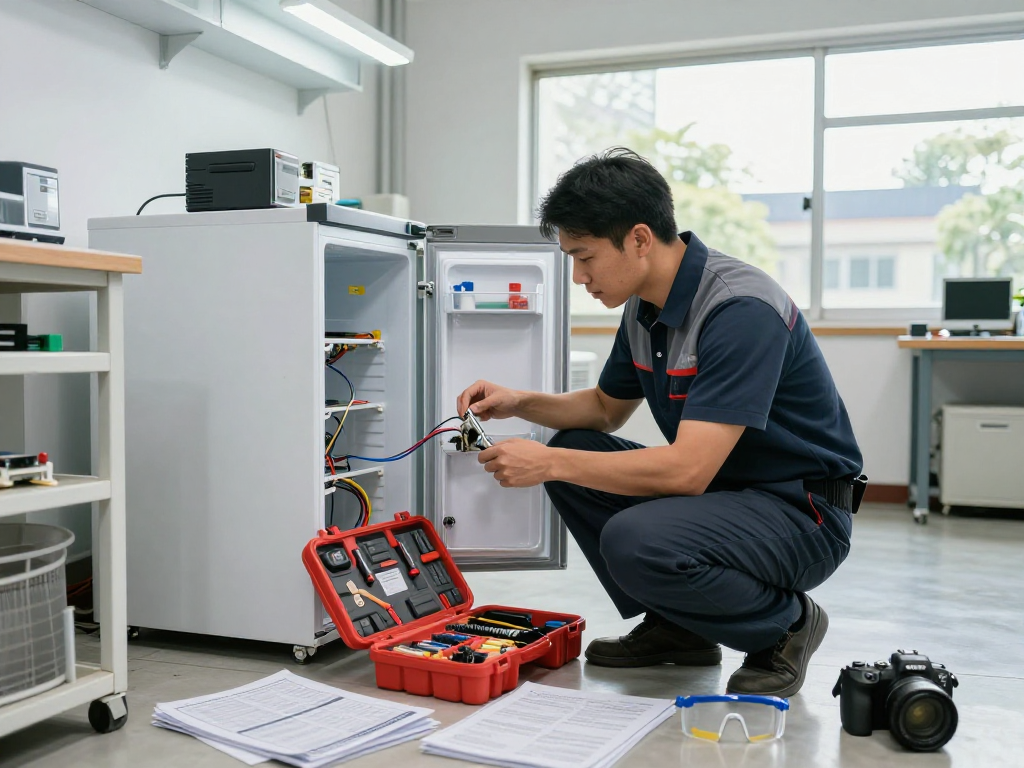
Understanding Common Freezer Issues
Freezers are invaluable appliances in our modern kitchens, enabling us to store perishable food items and maintain their freshness for extended periods. However, like any other appliance, freezers can encounter problems over time that may disrupt their functionality. Understanding these common freezer issues is essential for effective troubleshooting and repair. When exploring options, freezer repair services are readily available for those who need assistance beyond DIY fixes.
What are the Signs of Freezer Malfunction?
Identifying signs of malfunction early can save you from more significant issues and food spoilage. Common indicators include:
- Increased frost buildup or ice accumulation on the walls or shelves
- Unusual noises such as clicking, buzzing, or humming
- Food items feel soft or are partially thawed
- Unpleasant odors emanating from the freezer
- The freezer is excessively warm or not maintaining a consistent temperature
Common Causes of Freezer Failures
There are several reasons why a freezer may fail, including:
- Defective Thermostat: A malfunctioning thermostat can cause the freezer to run at incorrect temperatures.
- Dirty Condenser Coils: Dust and debris on condenser coils can hinder heat dissipation, causing overheating.
- Faulty Door Seal: An ineffective door seal allows warm air to enter, leading to frost build-up and inefficient cooling.
- Refrigerant Issues: Low refrigerant levels due to leaks affect the cooling process.
How to Diagnose Freezer Problems Yourself
Diagnosing freezer problems can often be done with a few simple steps. Here’s how:
- Check the thermostat setting and ensure it’s set to the correct temperature (0°F or -18°C).
- Inspect the door seal by closing it on a piece of paper; if you can pull the paper out easily, the seal may need replacement.
- Examine the condenser coils for dust and clean them if dirty.
- Listen for unusual sounds from the compressor or fan motor—these could indicate mechanical issues.
Essential Tools for Freezer Repair
Must-Have Tools for DIY Freezer Repairs
For anyone considering DIY freezer repairs, having the right tools is vital. Essential tools include:
- Screwdrivers: Both flathead and Phillips screwdrivers for accessing internal parts.
- Multimeter: To test electrical components and circuits.
- Wrench Set: Useful for removing bolts and screws.
- Vacuum Cleaner: For cleaning condenser coils and other accessible areas.
Safety Equipment to Use During Repairs
Safety should be your priority during repairs. Recommended safety equipment includes:
- Gloves: To protect your hands from sharp edges or electrical components.
- Safety Goggles: To guard against debris while working.
Where to Source Replacement Parts
Finding quality replacement parts is crucial for successful freezer repairs. Reliable sources include:
- Manufacturer websites for genuine parts
- Local appliance parts stores for immediate needs
- Online retailers such as Amazon or specialized appliance parts websites
Step-by-Step Guide to Freezer Repair
Preparing Your Freezer for Repair
Before starting any repairs, it’s essential to prepare your freezer properly. Here’s how:
- Unplug the freezer to ensure safety.
- Remove all food items and store them in a cooler.
- Allow the freezer to defrost if there’s significant ice buildup.
Detailed Repair Processes for Common Issues
Depending on the issue diagnosed, here are repair processes for common problems:
- Thermostat Replacement: Disconnect the power, remove the old thermostat, and install a new one according to manufacturer instructions.
- Door Seal Replacement: Remove the faulty seal and replace it with a new one—ensure the door closes securely.
- Cleaning Condenser Coils: Use a brush or vacuum to gently clean dust off the coils located at the back or underneath the freezer.
Post-Repair Testing to Ensure Functionality
After repairs, it’s critical to test the freezer’s functionality. Follow these steps:
- Plug the freezer back in and set the thermostat.
- Monitor the temperature for the next few hours to ensure it stabilizes at the desired level.
- Check for any unusual noises or issues during operation.
Preventive Maintenance for Freezers
Best Practices for Maintaining Your Freezer
Regular maintenance can extend the life of your freezer. Implement these best practices:
- Clean the condenser coils at least twice a year.
- Inspect and replace door seals annually.
- Keep the freezer well-organized to maintain airflow.
How to Extend the Lifespan of Your Freezer
To maximize your freezer's lifespan, consider these tips:
- Avoid overloading the freezer, as this can strain the motor.
- Ensure that the freezer is adequately ventilated to prevent overheating.
- Keep the appliance in a stable, cool location away from direct sunlight or heat sources.
Regular Checks and When to Call a Professional
Even with regular preventive maintenance, issues can arise. Check your freezer at least once a month for performance. If you notice persistent problems or if repairs seem too complex, it’s wise to call a professional for help.
Future Trends in Freezer Technology
Innovations in Energy-Efficient Freezer Designs
With environmental concerns on the rise, future freezer designs are increasingly focusing on energy efficiency. Innovations such as improved insulation techniques and eco-friendly refrigerants can help reduce energy consumption.
Smart Technology Integration in Freezer Systems
Smart technology is set to transform freezers, allowing for remote monitoring and notifications via apps. Features like automatic temperature adjustment and diagnostics can help homeowners maintain optimal conditions.
Predictions for Freezer Features in 2026
As we move towards 2026, we can expect freezers to come equipped with advanced features such as AI-driven maintenance alerts, enhanced energy-saving modes, and even compatibility with smart home systems to provide a seamless user experience.
What are the most common freezer problems?
Common issues include temperature irregularities, frost buildup, and unwanted noises. Understanding these problems can help in effective resolution.
Can I repair my freezer myself?
Yes, many freezer issues can be diagnosed and repaired by homeowners with basic tools and a bit of knowledge.
What tools do I need for freezer repair?
Essential tools include screwdrivers, a multimeter, a wrench set, and cleaning equipment for condenser coils.
How can I prevent freezer problems?
Regular maintenance, proper food organization, and timely replacement of worn parts can help prevent freezer issues.
When should I call a professional for freezer repairs?
It’s advisable to call a professional when faced with complex electrical issues or if repairs require specialized knowledge or tools.. Additionally, same day appliance repair provides further details.